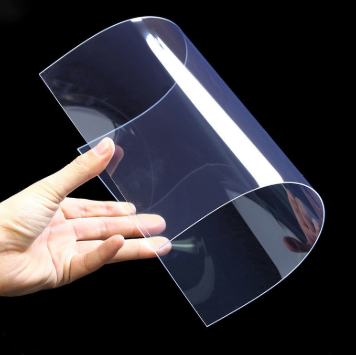
A PET plastic sheet is a versatile material used across manufacturing, packaging, fabrication, display, and industrial applications. PET, or polyethylene terephthalate, belongs to the polyester family and is valued for its combination of strength, dimensional stability, surface quality, and chemical resistance. Depending on the application, PET sheets can provide a practical alternative to other thermoplastic materials.
Choosing the right sheet, however, requires more than simply comparing thickness and price. The intended application, operating environment, fabrication method, transparency requirements, and mechanical demands should all be considered before purchasing. Understanding these factors can help manufacturers and buyers select a material that performs reliably over time.
What Is a PET Plastic Sheet?
PET plastic sheets are flat thermoplastic panels manufactured from polyethylene terephthalate. They can be produced in different thicknesses, sizes, finishes, and levels of transparency according to their intended use.
One of the advantages of PET is its versatility. It can be processed using various fabrication techniques, making it useful for applications where a combination of appearance and functional performance is required.
Depending on the specification, PET sheets may be used for protective panels, packaging components, machine parts, displays, covers, trays, and other fabricated products.
See also: How a Strong Visual Brand Can Make Your Blog Stand Out
Key Properties of PET Sheet
When evaluating a PET sheet, several material characteristics should be considered.
Strength and rigidity
PET can offer a useful balance of rigidity and mechanical strength. This makes it suitable for applications where a sheet needs to retain its shape while handling normal operational stresses.
The required thickness should be selected according to the application rather than assuming that a thicker sheet is always better.
Chemical resistance
Many industrial environments expose plastic components to cleaning agents, oils, or other substances. PET offers useful chemical resistance for a range of applications, although compatibility should always be checked against the specific chemicals involved.
Surface quality
PET can provide a clean and consistent surface, making it suitable for applications where appearance matters. Clear or semi-transparent versions can also be useful when visibility is required.
Dimensional stability
For fabricated components, maintaining dimensions during use is important. PET is often considered when an application requires a material that can maintain its shape under normal operating conditions.
Common Applications
PET plastic sheets can be used in many different industries.
In packaging, they may be incorporated into trays, covers, protective components, and other formed products. In manufacturing, PET can be machined or fabricated into components that require a balance of strength and wear performance.
Retail and display applications may also benefit from the material’s appearance and processing flexibility. Depending on the grade, PET can be selected for products where transparency, surface finish, or easy fabrication is important.
Choosing the Correct Thickness
Thickness is one of the first specifications buyers should evaluate.
A thin PET sheet may be suitable for lightweight applications, covers, or formed components, while thicker sheets may be required where greater rigidity is needed.
The correct thickness depends on factors such as:
- Expected load
- Panel dimensions
- Required flexibility
- Fabrication method
- Installation conditions
- Operating temperature
- Impact requirements
Instead of selecting a thickness based only on cost, it is better to define the functional requirements first.
PET Sheet Fabrication
Another reason PET is popular is its suitability for fabrication.
Depending on the grade and thickness, PET sheets may be cut, drilled, formed, machined, or processed into customized components. Manufacturers should select processing techniques according to the material specification and final product requirements.
Accurate fabrication is particularly important when PET components need to fit into machinery, packaging systems, displays, or other assemblies.
PET Compared With Other Plastics
PET is only one option among many thermoplastics. Materials such as acrylic, polycarbonate, PVC, and PETG may be considered depending on the project.
For example, some applications prioritize transparency, others require greater impact resistance, while others focus on chemical compatibility, weight, cost, or ease of fabrication.
There is therefore no single plastic sheet that is ideal for every project. The best choice depends on the specific performance requirements.
Factors to Consider Before Purchasing
Before ordering a PET sheet, buyers should prepare a clear specification.
Consider the required:
- Thickness
- Sheet dimensions
- Color or transparency
- Surface finish
- Operating temperature
- Chemical exposure
- Mechanical strength
- Fabrication requirements
- Quantity
- Delivery requirements
Having these details ready makes communication with a supplier easier and reduces the possibility of ordering an unsuitable material.
For businesses looking for PET sheet options, PET plastic sheet can be used as a reference when reviewing available specifications and applications.
Storage and Handling
Proper storage is also important. Sheets should be protected from unnecessary scratches, contamination, and excessive environmental exposure.
When handling large panels, suitable support should be provided to reduce the risk of bending or accidental damage. Protective packaging should remain in place where appropriate until the material is ready for fabrication or installation.
Frequently Asked Questions
1. What is a PET plastic sheet used for?
PET sheets can be used for packaging, industrial components, protective panels, displays, trays, covers, and various fabricated products.
2. How do I choose the right PET sheet thickness?
Consider the application’s dimensions, load, flexibility requirements, fabrication process, and operating environment before selecting thickness.
3. Can PET sheets be customized?
Depending on the material grade and supplier capabilities, PET sheets can be available in different thicknesses, sizes, finishes, and other specifications.
Conclusion
PET plastic sheet is a flexible material option for businesses that need a combination of mechanical performance, surface quality, dimensional stability, and fabrication versatility. The right specification depends on the application rather than on thickness or price alone.
By evaluating operating conditions, required dimensions, fabrication methods, chemical exposure, and long-term performance before purchasing, manufacturers can make a more informed material selection and achieve better results in their finished products.
