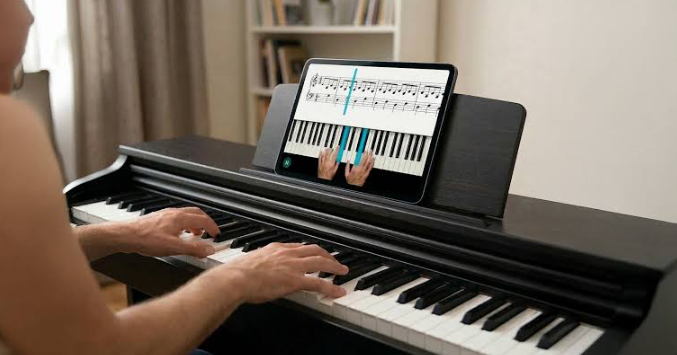
For decades, learning piano at home meant following a fairly rigid formula: hiring a private instructor for weekly visits, working through traditional exercise books, and spending hours repeating scale drills on an acoustic or digital piano. While that traditional approach produced millions of skilled musicians, it also led countlessly more beginners to quit out of frustration, slow feedback, or sheer boredom.
Today, interactive technology has transformed home music education. Connected keybeds, interactive learning apps, and LED light-guided key systems have completely reshaped how beginners approach their very first lessons. But as digital instruments continue to evolve, one question remains top-of-mind for prospective students: is a smart piano truly the best way to learn piano at home?
The Evolution of Learning Piano at Home
The rise of digital learning tools reflects a broader shift toward interactive, self-paced education across every field. In the past, self-taught pianists relied on static books or pre-recorded video tutorials. While videos can explain core techniques, they lack a crucial component of effective practice: real-time feedback. When you hit a wrong note or misread a rhythm while practicing alone, static guides cannot correct you before bad habits set in.
Smart instruments bridge this gap by establishing a two-way connection between physical keys and digital software. Equipped with sensors and wireless connectivity, modern instruments track your performance in real time. They detect which key you press, measure your timing accuracy, and adjust lesson speeds based on your progress.
This responsive environment allows beginners to practice independently while maintaining the structured guidance typically found in a traditional studio setting.
Key Advantages of Interactive Smart Keyboards
For anyone attempting to learn piano at home without a full-time private tutor, smart instruments offer several practical advantages that keep daily practice engaging and effective:
- Instant Visual Guidance: Light-up LED keys show you exactly where to place your fingers, helping you play complete melodies during your very first practice session.
- Gamified Practice Routines: Interactive song scrolling, score tracking, and leveled challenges turn repetitive technical exercises into an engaging experience similar to rhythm games.
- Vast Music Libraries: Instead of relying solely on century-old beginner pieces, integrated learning apps provide access to thousands of pop hits, film scores, and contemporary arrangements.
- Flexible Practice Schedules: With built-in headphone support and self-correcting software, you can practice silently whenever your schedule allows—early in the morning or late at night.
For an in-depth look at how these features perform in real-world home environments, reading The ONE Smart Piano review offers valuable insights into key touch, software responsiveness, and long-term learning value.
Comparing Smart Pianos to Traditional Learning Methods
While smart instruments excel at making early practice accessible and fun, it helps to understand how they compare against traditional teaching methods across different aspects of music education.
1. Speed of Early Progress
Traditional methods require beginners to spend weeks learning treble and bass clef notation before playing recognizable tunes. Smart keyboards use visual light cues and falling-note interfaces to get hands moving right away. This immediate gratification builds early confidence, helping beginners push past the initial hurdle where most people quit.
2. Developing Proper Technique
One common critique of app-only learning is that software cannot physically reach out and adjust your posture or hand arch. High-end smart pianos address this by incorporating weighted or semi-weighted hammer-action keys that build real hand strength. When paired with structured video lessons that demonstrate proper wrist and finger positioning, students build solid physical mechanics alongside app guidance.
3. Cost and Long-Term Value
Private piano lessons can easily cost thousands of dollars per year. A smart instrument combined with a connected learning app requires an upfront equipment investment but offers unlimited, multi-user practice for a fraction of the ongoing cost of private instruction.
For families or busy adults looking to learn piano at home on a flexible budget, this combination delivers exceptional value without compromising on structured educational content.
How to Maximize Your Success with a Smart Piano
To get the most out of an interactive instrument and build lasting musical independence, keep these practical practice habits in mind:
- Use Light Guides Strategically: Think of illuminated keys as training wheels. Use them to learn new fingering patterns quickly, but periodically turn the lights off to test your memory and reading skills.
- Combine App Lessons with Sheet Music: While falling-note modes are great for quick song learning, dedicate a portion of your practice time to standard notation modules within your app to build lifelong sight-reading skills.
- Establish a Daily Routine: Short, consistent 20-minute daily sessions yield far better muscle memory and skill retention than a single long practice session once a week.
Final Thoughts
Smart pianos have proven that learning an instrument at home does not have to be an isolating or frustrating process. By blending responsive physical hardware with interactive software, guided light cues, and self-correcting feedback, these instruments eliminate the friction points that traditionally held beginners back. While dedicated classical students may eventually supplement their practice with periodic teacher evaluations, a smart piano remains one of the most effective, engaging, and accessible ways to begin your musical journey right from the comfort of your living room.
