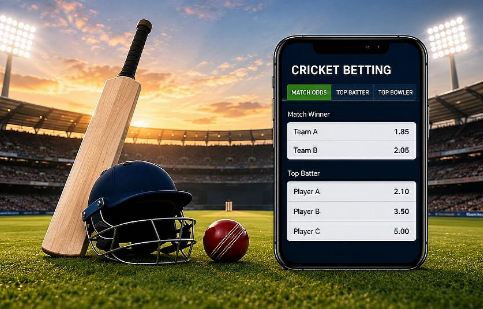
A cricket page can show three numbers about the same match that appear equally authoritative. The score records what has happened. A statistical projection suggests what could happen next. A betting price reflects the terms of a commercial market. Put them in identical boxes with similar labels, and the distinction becomes difficult to spot. That matters to sports blogs and websites carrying automated match feeds. Readers may move between a news story, a scorecard, and a market page without noticing that each serves a different purpose. The editorial challenge is to preserve those differences while keeping the information easy to read.
Three numbers can describe three different things
A search for desi live odds cricket points toward a different type of cricket information than an official match report. The linked Slot Desi address identifies a live-cricket betting category, although its current features could not be independently checked. A completed run, a calculated run rate, and a market quote might all be represented numerically, yet they do not carry equal authority. The run belongs to the match record. Run rate is calculated from recorded runs and legal deliveries. A betting quote is set by an operator and can be withdrawn without any change in the official score. For a publisher, the sensible approach is to identify the source and nature of each figure before deciding how prominently to display it.
A scorecard records more than the headline total
The main score usually receives the largest type, but a cricket scorecard holds the details that make the total intelligible. Overs use cricket notation rather than decimal arithmetic: 18.2 overs means eighteen completed overs and two legal balls, not eighteen and one-fifth overs. Batting figures distinguish runs from balls faced. Bowling figures record runs conceded and wickets taken, while extras explain runs not credited to a batter. These details help an editor check whether a short match summary agrees with the underlying record. A graphic showing the correct total but the wrong number of wickets can change the meaning of an innings. Published statistics should trace back to the scorecard instead of being reconstructed from a headline or social media update.
Projections need their assumptions in plain sight
A projected total looks factual when it appears beside an innings score, especially if the number is displayed without explanation. Yet a simple projection often extends the present scoring rate across the scheduled overs. That calculation assumes the scoring pace will continue, even though wickets, bowling changes, and the remaining batting lineup may affect what happens. More advanced models can use additional inputs, but their output is still an estimate. The editorial question is not whether projections belong on a sports page. They can help readers interpret a developing match. The problem begins when the word projected disappears and an estimate is presented as though it were already on the scorecard. Labels should explain the method in language a casual fan can recognize.
Design the page around the reader’s question
Space is limited on a phone, and a crowded score page forces editors to decide which figures deserve immediate attention. The order should reflect what readers came to learn. Someone looking for the result needs the teams, score, match status, and competition first. A reader checking batting performance may want strike rates and recent dismissals. Market-oriented numbers belong in a distinct area with unmistakable labeling. Positioning everything in one uninterrupted strip may save space, but it makes comparisons harder rather than easier. Clear separation also helps readers tell a cricket statistic from a wager-related number at a glance. Four editorial rules offer a workable starting point:
- Place the official score and match status above calculated or commercial figures.
- Mark estimates as projections and explain the basis of the calculation.
- Identify odds as market prices rather than sporting results or official probabilities.
- Keep scorecard details accessible without mixing them into betting labels.
This separation is also useful when an article is shared outside its original page. Cropped screenshots, search previews, and social posts can remove nearby explanations. A bare percentage or price then travels without the words that made it meaningful. Publishers can reduce that risk by putting short identifiers beside the numbers themselves, rather than relying on a distant legend. Readers should not need to open an additional page to learn whether a value is a final result, a calculation, or a quote. The goal is a display that remains understandable even when only a small part of it is visible, without expecting readers to guess at missing context.
Publish the distinction before publishing the number
The last editorial check should ask what each figure is claiming. A score should correspond to the recorded state of the match. A run rate should be reproducible from the runs and legal deliveries reported. A projection should disclose that it describes a possible continuation, not a settled result. And an odds quote should be presented as a commercial price, separate from the sporting record. When those categories are clearly identified, a reader can use the same page to follow the contest and understand the surrounding data without mistaking one for another. For a cricket website, accurate labels are not cosmetic details. They determine whether the page reports the game or accidentally rewrites what its numbers mean.
