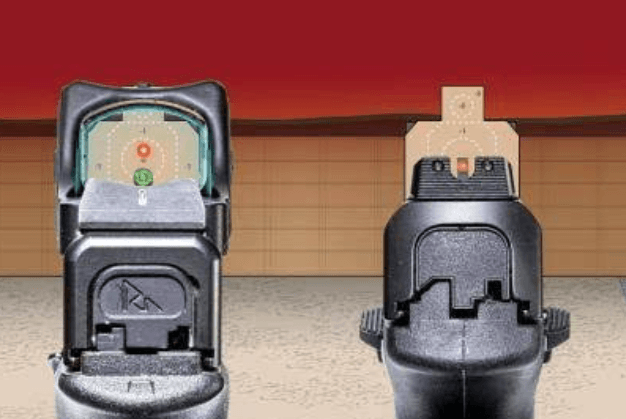
Brand owners evaluating whether to invest in custom red dot sight development often weigh the additional upfront cost and complexity against the potential competitive advantages that genuine product differentiation can provide. Understanding the business case behind custom development helps brands make more informed strategic decisions.
The Competitive Reality of Generic Product Reselling
Race-to-the-Bottom Pricing Dynamics
Brands selling generic, widely available products often find themselves competing primarily on price, since customers can easily compare identical or near-identical products across multiple sellers, gradually eroding margins over time.
Limited Brand Loyalty With Generic Products
When products are functionally interchangeable between different sellers, customers have little reason to develop loyalty toward a specific brand beyond immediate price and convenience considerations, limiting long-term customer relationship value.
How Custom Products Change the Competitive Dynamic
Reducing Direct Price Comparison
Genuinely differentiated custom products make direct price comparison more difficult for customers, since competitors cannot offer an identical alternative, allowing brands greater pricing flexibility and improved margin protection.
Building Genuine Brand Identity
Custom products, thoughtfully designed around a brand’s specific target customer and positioning, help build a more coherent and memorable brand identity compared to simply reselling the same generic products available through numerous other sellers.
Evaluating Return on Investment for Custom Development
Balancing Upfront Investment Against Long-Term Margin Improvement
While custom development requires greater initial investment, particularly related to tooling costs, brands should evaluate this investment against the potential for improved long-term margins and reduced direct price competition.
Considering Sales Volume Requirements
Custom development generally makes the most business sense for brands with sufficient projected sales volume to justify tooling investment and minimum order requirements, making realistic sales forecasting an important part of this evaluation.
Risk Considerations in Custom Development
Market Validation Before Full Commitment
Brands uncertain about market demand for a specific custom product concept may benefit from smaller-scale market testing, potentially through limited existing product offerings, before committing to full custom development investment.
Selecting the Right Manufacturing Partner
The success of custom development depends heavily on partnering with a manufacturer possessing genuine engineering capability and a track record of successful custom projects, making thorough partner evaluation a critical risk mitigation step.
Brands evaluating the potential business case for custom development can review available capabilities through custom red dot sight resources detailing development services and processes.
Case Considerations for Different Brand Stages
Established Brands Expanding Their Product Line
Brands with existing market presence and proven sales channels are often well positioned to justify custom development investment, leveraging existing customer relationships to support new product launches.
New Brands Entering the Market
Newer brands should carefully weigh the benefits of custom differentiation against the practical challenges of limited initial sales history and potentially constrained capital for tooling investment.
Measuring Success After Custom Product Launch
Tracking Margin Improvement Over Time
Comparing margin performance of custom products against previously sold generic alternatives provides concrete data on whether custom development investment is delivering the anticipated business benefits.
Monitoring Customer Feedback and Brand Perception
Beyond financial metrics, tracking customer feedback and brand perception changes following custom product launches provides valuable qualitative insight into the broader strategic value of the investment.
See also: Business Success Principles Every Founder Should Know
Frequently Asked Questions
How much sales volume typically justifies custom red dot sight development investment? This varies significantly based on specific tooling and development costs, though brands generally need confidence in sustained sales volume sufficient to amortize initial investment within a reasonable timeframe.
Can custom development help brands escape price-based competition entirely? While custom products reduce direct price comparison, brands still operate within a broader competitive market and must continue delivering genuine value to maintain customer loyalty.
What is the biggest risk associated with custom red dot sight development? Selecting an inexperienced or unreliable manufacturing partner represents one of the most significant risks, potentially resulting in wasted investment or disappointing final product quality.
Conclusion
The business case for custom red dot sight development rests on the potential for improved margins, reduced price competition, and stronger brand identity, weighed against the upfront investment and inherent risks involved. Brands who approach this decision with realistic financial planning and careful manufacturing partner selection are best positioned for success.
