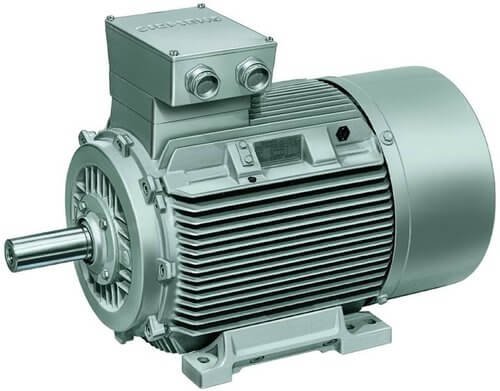
Electric motors are essential components in modern industrial systems. They provide the mechanical power needed to operate pumps, fans, compressors, conveyors, machine tools, and many other types of equipment. Because every application has different requirements, selecting an appropriate motor requires careful evaluation of both the machine and its working environment.
Three-phase motor systems are widely used in industrial facilities where dependable power and continuous operation are required. However, choosing the right equipment involves more than looking at the power rating. Speed, torque, voltage, frequency, efficiency, installation conditions, and maintenance requirements all need to be considered.
Read Also: How Tubing Materials Influence Industrial System Performance
Start With the Application
The first step in motor selection is understanding what the machine actually needs.
Different equipment creates different loads. A conveyor may need substantial starting torque, while a fan may have a different load pattern. Pumps and compressors can also place different demands on their drive systems.
Understanding the equipment’s normal operating condition, starting requirements, and expected workload helps establish a suitable motor specification.
Understanding Three-Phase Operation
Industrial facilities commonly use three-phase electrical systems for larger machinery.
A three-phase motor receives power through three alternating electrical phases, creating the rotating magnetic field required for operation. This makes three-phase motors suitable for many industrial applications.
Before installation, the available power supply should always be checked against the motor’s rated voltage and frequency.
Power Rating and Load
The motor’s power rating should correspond to the mechanical requirements of the driven equipment.
If the motor is too small for the application, it may operate under excessive load. If it is considerably oversized, the system may not achieve the expected efficiency under normal operating conditions.
The objective is to find an appropriate balance between required output and actual machine demand.
Speed Selection
Motor speed is another important specification.
Machines often require a particular rotational speed to achieve the desired production rate. If the motor speed does not match the equipment, a gearbox, pulley arrangement, or other transmission component may be necessary.
The entire drive system should therefore be evaluated rather than selecting a motor independently.
Starting Torque
Starting conditions deserve special attention.
Some industrial machines require considerably more torque when they begin moving than when they are operating normally. Heavy conveyors, compressors, and other loaded equipment can create significant starting demands.
The motor’s starting characteristics should be compared with the requirements of the driven machine before installation.
Efficiency and Operating Costs
Energy consumption is an important consideration for motors that operate for extended periods.
Businesses can evaluate efficiency alongside operating hours and load conditions to estimate the long-term cost of running the equipment.
A motor’s purchase price is only one part of its total cost. Energy consumption, maintenance, downtime, and replacement requirements can also influence the overall economics of the installation.
Environmental Factors
The location where a motor operates can influence the required design.
Dust, moisture, high temperatures, chemicals, and poor ventilation may affect motor performance. Appropriate enclosure and protection characteristics should therefore be selected according to the installation environment.
Industrial operators should review site conditions before finalizing equipment specifications.
Maintenance and Inspection
Regular maintenance can help support dependable motor operation.
Depending on the equipment, maintenance activities may include inspecting bearings, checking electrical connections, monitoring temperature, cleaning ventilation areas, and observing vibration or unusual noise.
A preventive maintenance schedule can make it easier to identify changes in motor performance before they lead to significant interruptions.
Comparing Motor Specifications
Before making a final selection, businesses can create a technical checklist covering:
- Rated power
- Voltage
- Frequency
- Speed
- Starting torque
- Duty cycle
- Efficiency
- Enclosure
- Mounting arrangement
- Environmental conditions
- Maintenance requirements
For applications requiring a reliable three-phase solution, XCMOTOR induction motor 3 phase can be reviewed alongside other options according to the project’s technical requirements.
Installation Matters
Correct installation is just as important as choosing the right motor.
Mounting, shaft alignment, electrical connections, grounding, ventilation, and mechanical coupling should be completed according to applicable requirements.
Poor alignment or inadequate ventilation can affect performance and may contribute to premature equipment problems.
Frequently Asked Questions
1. What determines the correct motor size?
The required motor size depends on the driven machine’s power demand, load characteristics, speed, starting requirements, and operating schedule.
2. Why is voltage compatibility important?
A motor must be compatible with the electrical supply available at the installation site. Incorrect electrical specifications can affect operation and equipment safety.
3. How can industrial motors be maintained properly?
Regular inspections, suitable ventilation, correct electrical connections, bearing checks, temperature monitoring, and preventive maintenance can support reliable operation.
Conclusion
Choosing an industrial motor requires a complete understanding of the machine, electrical supply, operating environment, and expected workload. Power rating is important, but it should be evaluated together with speed, torque, efficiency, installation, and maintenance requirements.
A structured selection process can help businesses choose equipment that matches their application and supports dependable long-term operation.
