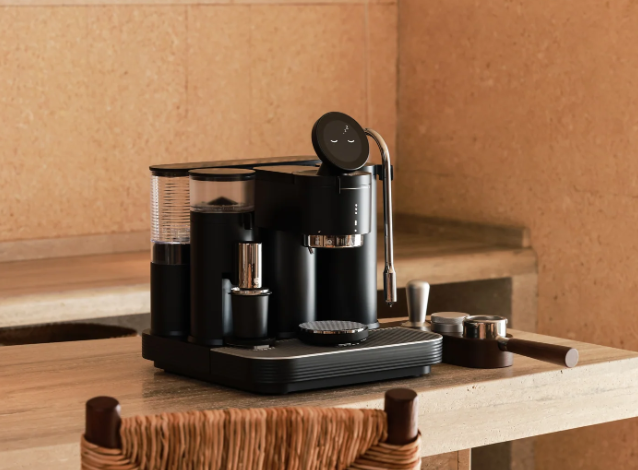
Every coffee journey starts with enthusiasm. You buy your first entry-level espresso machine, pick up a bag of dark roast beans, and learn how to tamp. For months, or even years, that basic appliance serves its purpose, delivering a quick caffeine hit that beats instant coffee or expensive daily cafe runs. But as your palate refines and your understanding of extraction deepens, those small compromises you once ignored begin to stand out.
Upgrading from a beginner appliance to a high-performance prosumer machine is a natural rite of passage for home coffee enthusiasts. The leap isn’t just about aesthetic appeal or stainless steel construction; it’s about control, consistency, and closing the gap between kitchen brewing and commercial cafe quality. Here are the key indicators that you have outgrown your starter setup and are ready for an upgrade.
1. Temperature Instability Is Ruining Your Light Roasts
Beginner espresso machines usually rely on basic mechanical thermostats or simple heating elements. These systems experience wide temperature swings—often dropping or spiking by 10 to 15 degrees during a single shot.
When brewing traditional dark roasts, these temperature fluctuations are somewhat forgiving. However, if you enjoy modern light or medium-roast specialty beans, temperature control becomes critical. Light roasts require higher, locked-in temperatures (around 200°F to 203°F) to dissolve delicate sugars and floral or fruity tasting notes. If your water drops temperature mid-shot, your espresso will taste sour, thin, and astringent.
Prosumer machines utilize digital PID (Proportional-Integral-Derivative) controllers to monitor water temperature in real time, making micro-adjustments that keep water locked to your target setting within a fraction of a degree. If you find yourself endlessly “temperature surfing”—flushing hot water to force a thermostat to kick in—you are ready for PID stability.
See also: How Tubing Materials Influence Industrial System Performance
2. Steaming Milk Feels Slow, Weak, and Watery
Crafting silky microfoam for latte art requires fast, dry, high-pressure steam. Entry-level machines often use small thermoblocks to generate steam, producing weak pressure that aerates milk sluggishly while adding excess water condensation into your pitcher.
If texturing a single pitcher takes over a minute and leaves your milk thin and lukewarm rather than glossy and rich, your machine’s heating architecture is holding you back. Prosumer setups feature dedicated, high-capacity steam boilers that deliver commercial-grade steam pressure on demand, allowing you to texture milk to a velvety paint-like consistency in under 20 seconds.
3. You Are Tired of the “Brew-Wait-Steam” Bottleneck
Single-boiler entry-level machines force you to execute your morning routine sequentially: pull your espresso shot, flip a switch to heat the boiler up to steam temperature, wait a minute or two, texture your milk, and then purge water to cool the boiler back down if you want to make another drink.
This waiting period causes your fresh espresso shot to cool down and lose its delicate crema while you wait to froth milk. When hosting friends or preparing multiple lattes in the morning, this bottleneck turns coffee making into a slow, clunky chore. Upgrading to a setup with dual boilers or robust heat-exchanger architecture allows you to pull shots and steam milk at the exact same time, cutting preparation time in half.
Planning an upgrade home espresso machine strategy centered on dual heating circuits eliminates workflow delays and preserves beverage quality.
4. Inconsistent Shots Despite Perfect Prep
Few things are more frustrating than preparing two portafilters with the exact same bean dose, grind size, and tamping pressure, only to have one shot flow in 25 seconds and the next choke or run in 15 seconds.
When your technique is consistent but your results are unpredictable, the culprit is usually machine mechanics:
- Unregulated Pressure: Budget appliances often lack an Overpressure Valve (OPV), blasting coffee grounds with 15 or 19 bars of force that tears the coffee bed apart and causes severe channeling.
- Small Portafilter Geometry: Non-standard consumer portafilters (like 51mm or 54mm pressurized baskets) restrict water distribution compared to standard 58mm commercial sizes.
- Temperature Drops: Freshwater entering a small boiler during extraction cools the water down mid-shot.
A true prosumer setup caps extraction pressure at a stable 9 bars, uses heavy brass 58mm groupheads for thermal mass, and applies low-pressure pre-infusion to gently wet the puck before full extraction begins.
Investing in a dedicated home barista machine guarantees that every variable you set on your grinder is accurately reflected in the cup, giving you absolute control over your recipe.
5. You Want Quiet, Refined Operation
Starter machines almost universally use vibratory pumps, which produce a loud, rattling vibration that shakes cups across the drip tray and wakes up the household during early mornings.
If you value a quiet, peaceful morning ritual, transitioning to a machine with a commercial rotary pump makes a world of difference. Rotary pumps replace the noisy vibrating piston with a smooth, electric spinning motor, reducing noise to a gentle hum while providing instant, flat 9-bar pressure and options for direct water line plumbing.
6. Build Quality and Serviceability Matter to You
Consumer appliances are largely constructed from lightweight plastic housings and sealed internal parts that are difficult or impossible to repair when something breaks. When a budget unit fails after a couple of years, it usually ends up in a landfill.
Prosumer equipment is built using industrial standards—stainless steel chassis, heavy brass groupheads, copper tubing, and commercial solenoid valves. These machines are designed to be serviced, descaled, and maintained for decades rather than replaced, making them a long-term investment in your home.
Final Thoughts
Recognizing the limits of entry-level coffee equipment is a clear sign that your skills and appreciation for espresso have evolved. When temperature swings, weak steam power, noisy operation, and unpredictable extractions begin to frustrate your morning routine, upgrading to prosumer gear transforms brewing from an exercise in compromise into an enjoyable, professional craft.
